Builder's Risk vs. Tools & Equipment: What Framers Need to Know
By Josh Cotner
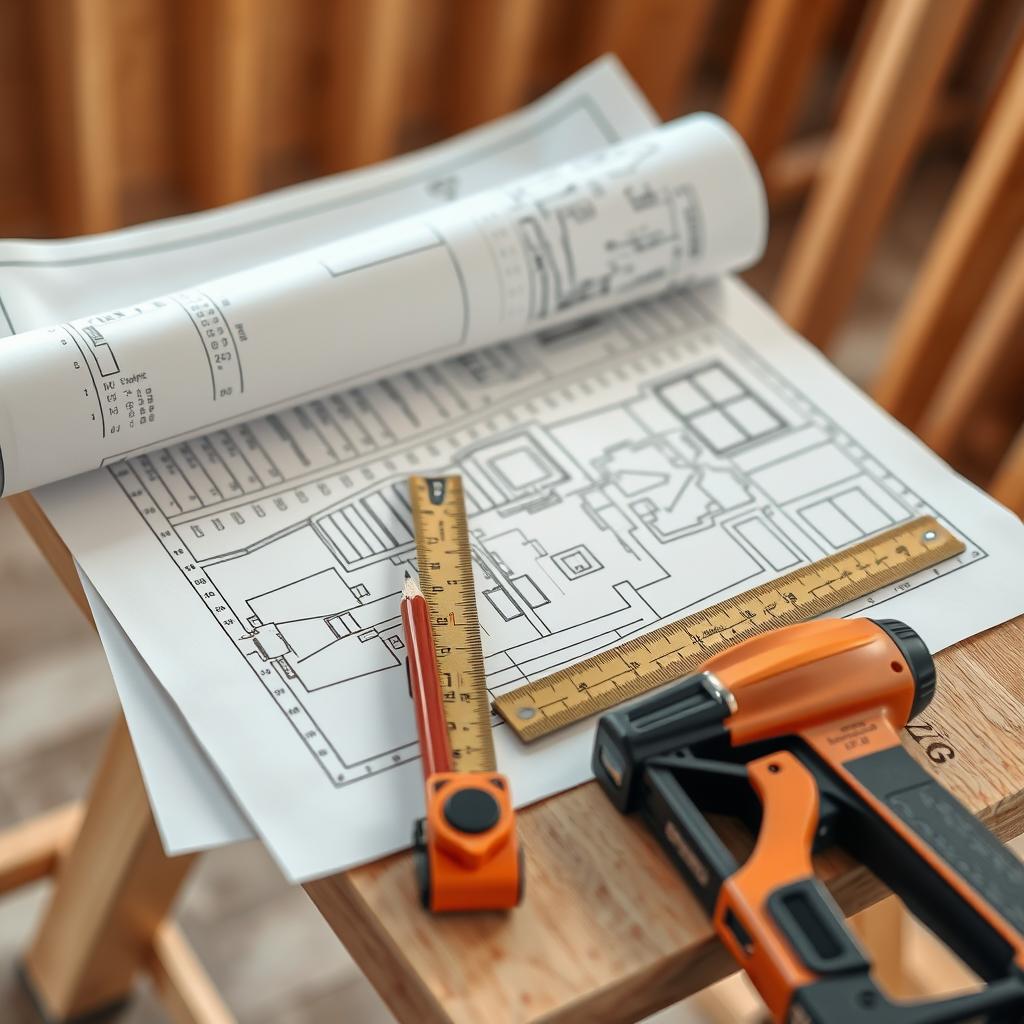
If you ask framers where insurance actually pays off, two answers come up again and again: the lumber that walked off the site overnight, and the nailer and saw that vanished out of the truck. Those are two different losses, covered by two different policies — builder's risk and a tools & equipment floater. Confusing them is how crews end up holding the bag.
Builder's risk covers the building
Builder's risk (also called course-of-construction) covers the structure and the materials that go into it while the project is being built. For a framer that means the lumber package, the engineered lumber and trusses, the hardware, and the labor you've already installed. It protects against fire, wind, theft, and vandalism during the window when the project is most exposed — open to the elements and often unsecured.
The key question on builder's risk is who carries it. Often the owner or general contractor holds a master policy for the project. But gaps are common: materials you've delivered but not yet installed, a deductible that falls on you, or an exclusion you didn't know about. When you're responsible for materials and labor in place, an installation floater or your own builder's risk closes the gap.
A tools floater covers your gear
A tools & equipment (inland marine) floater covers the tools and equipment you work with — pneumatic nailers, miter and circular saws, generators, air compressors, lasers, and small mobile equipment. Critically, it follows your tools wherever they go: jobsite, truck, trailer, shop. That's the whole point, because that's where framing tools actually live — and get stolen.
General liability and commercial property do not cover your tools off-premises. Without a floater, a $4,000 worth of stolen nailers and saws comes straight out of your margin.
Why they're easy to confuse — and miss
Both losses feel like "stuff got stolen," so it's natural to assume one policy handles both. It doesn't. Here's the quick map:
| Loss | Covered by | | --- | --- | | Stolen lumber package on site | Builder's risk / installation floater | | Installed framing damaged by fire | Builder's risk | | Stolen nail gun from the truck | Tools & equipment floater | | Stolen generator from the jobsite | Tools & equipment floater | | At-fault crash in the work truck | Commercial auto |
If you carry GL and auto but not builder's risk and not a tools floater, you're uninsured for the two most common framing losses.
Replacement cost matters for both
For both builder's risk and a tools floater, insist on replacement cost, not actual cash value. A stolen nailer should be replaced new, and stolen or burned lumber should be replaced at current pricing — not depreciated. The difference between replacement cost and ACV is often the difference between staying on schedule and buying materials out of pocket.
The practical move
Put both in place and coordinate them:
- Confirm who carries builder's risk on each project, and add an installation floater where there's a gap.
- Schedule your tools on a floater at replacement value, and update the schedule when you buy new gear.
- Keep both coordinated with your GL and auto so there are no gaps and no overlapping waste.
We'll build the right mix
Most framers we work with bundle a tools floater with their GL and add builder's risk (or an installation floater) project-by-project. We'll review what you carry today, find the gaps, and structure a coordinated program so a theft or a fire is a phone call — not a crisis.
Get a quote or call 844-967-5247.
Need this coverage for your crew?
Get a real quote in about 15 minutes — we shop A-rated specialty trades markets.