Why Your GL Policy's Height Exclusion Could Sink Your Framing Business
By Josh Cotner
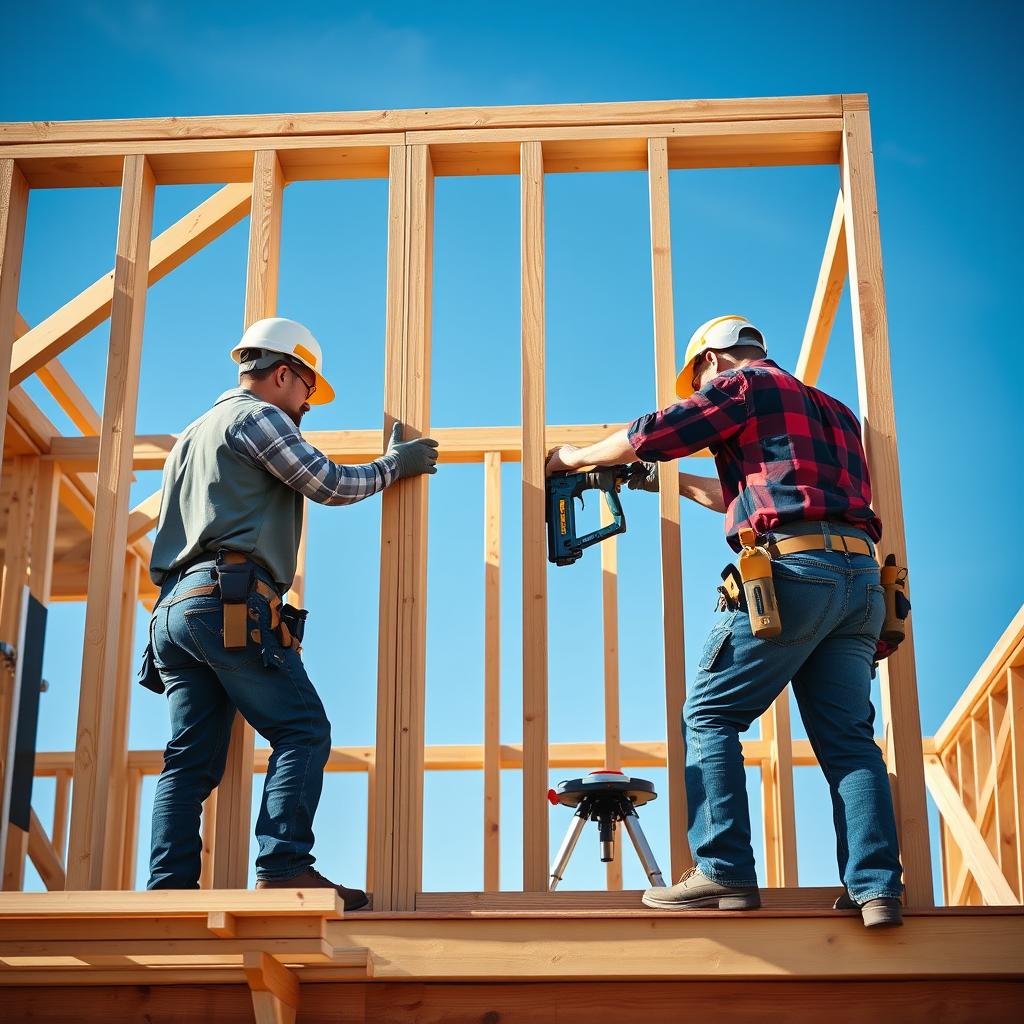
General liability is the policy every general contractor requires you to carry before you set the first plate. But not every GL policy actually covers the work you do — and the most dangerous gap for a framing contractor is the one you'll only discover after a fall: the height exclusion.
Framing is a height business
Framers work on top plates, scaffolding, and roofs. Two-story and three-story framing, truss setting, and roof work are core operations — not edge cases. So a GL policy that excludes work over one or two stories, or that excludes roof work entirely, doesn't cover the bulk of what your crew actually does.
How the exclusion hides
It usually isn't loud. It's a clause buried in the policy's exclusions or endorsements — "no coverage for operations exceeding two stories in height," or a roof-work exclusion, or a limitation tied to "open-frame construction." On a one-page quote summary you'll never see it. In the policy jacket, it's the difference between a paid claim and a denied one.
We see it most often in the cheapest policies — the $39/month "contractor coverage" advertised online. The low price exists because the carrier excluded the riskiest (and most common) framing work.
The fall claim that isn't covered
Here's how it plays out: a framer slips on a top plate at 18 feet, is injured (or worse), and a claim is filed. The carrier's adjuster opens the policy, reads the height exclusion, and denies coverage — because the work was above the excluded height. Now the medical bills, the lost wages, the third-party liability, and the defense costs are on you. A "covered" operation turns into a business-ending loss.
The same dynamic applies to roof work and truss setting exclusions. If your policy excludes them and you do them, you're uninsured for exactly the claims you're most likely to have.
What to buy instead
A framing GL policy should explicitly cover:
- Two- and three-story framing
- Roof framing and sheathing
- Truss setting
- Work from scaffolding and lifts
- Subcontracted operations (with certificate tracking)
And it should come from a carrier that actually writes framing contractors — not a generic small-business market that prices the policy assuming you'll never leave the ground.
How to check your current policy
- Read the exclusions section of your policy jacket, not just the declarations page.
- Search for "height," "stories," "roof," and "open-frame."
- Check whether truss setting is covered if you do it.
- Ask your broker directly: "Does this policy cover my crew framing at two and three stories and setting roof trusses?" Get the answer in writing.
If the answer is no — or "I'm not sure" — it's time to replace the policy before, not after, a fall.
We place height-friendly GL for framers
We work with specialty trades markets that write framing contractors and don't exclude the work you actually do. If you've been sold a policy with a height exclusion, we'll replace it with one that covers your real operation — usually at a fair price and with the additional-insured endorsements your GCs require.
Get a quote or call 844-967-5247 — and ask us to review your current GL for height exclusions.
Need this coverage for your crew?
Get a real quote in about 15 minutes — we shop A-rated specialty trades markets.