Workers' Comp Class Code 5403 Explained for Framing Contractors
By Josh Cotner
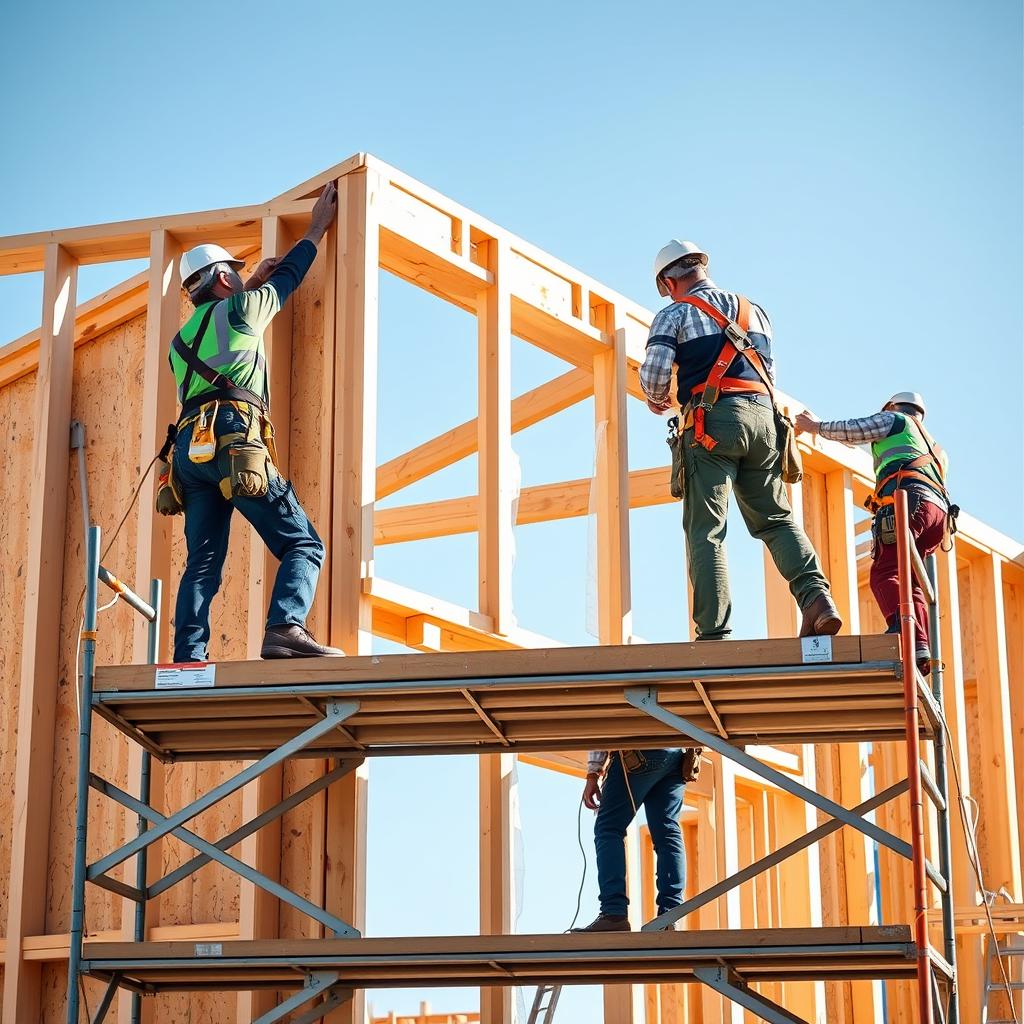
If you have W-2 employees on a framing crew, you carry workers' compensation — and the code used to rate that coverage has a bigger impact on your premium and your claims than almost any other detail on your policy. For wood framing and rough carpentry, that code is most often NCCI class 5403 — Carpentry. Here's what it means and why it matters.
What class code 5403 covers
NCCI class 5403 applies to carpentry operations, including the wood framing, floor, wall, and roof work that residential and light-commercial framers do. It reflects a real, elevated injury exposure — falls from height, nail-gun and saw lacerations, struck-by injuries, and material-handling strains — and it's priced accordingly.
Some operations split out related work into separate codes: roof truss setting, siding, interior finish carpentry, or excavation each may carry their own classification. The point isn't to memorize the book — it's to make sure your actual work is classified accurately.
How premium is calculated
Workers' comp premium for a given code is:
(Payroll ÷ 100) × class rate × experience modifier
So a framing crew with $300,000 of 5403-coded payroll, a given rate, and a clean experience modifier produces a calculable premium. The variables that move it:
- Payroll accuracy. Underreporting payroll lowers your deposit but guarantees an audit bill later. Report it honestly.
- The class rate. This is set by the state and the classification; it's where correct coding pays off.
- Your experience modifier (EMR). A clean loss record pushes your modifier below 1.0 and saves you money year after year. A bad claims year pushes it above 1.0 and costs you.
The two expensive mistakes
Misclassification is the first. Framers get lumped into a generic "construction" code that overcharges them, or into a low-exposure code that looks cheap — until a claim is investigated, the work is reclassified, and the carrier denies the claim and back-charges premium via audit.
Misclassifying W-2 as 1099 is the second. Calling employees "subcontractors" to avoid premium doesn't hold up. If they're directed and controlled like employees, most states treat them as statutory employees — and you can be liable for both the unpaid premium and the claim.
Why correct coding protects your claims
It's not just about price. If your crew is coded as something other than carpentry and a framer is injured in a fall, the carrier investigates whether the classification matches the actual work. A mismatch can delay — or jeopardize — the claim while the injured worker waits. Accurate classification keeps claims clean and fast.
Fall protection is the lever that lowers 5403 costs
Because 5403 reflects fall and tool exposure, the single best way to control its cost is a documented fall-protection and tool-safety program. Underwriters and auditors reward crews that can show written safety procedures, training records, and consistent jobsite practice. Fewer falls means a better EMR — and a better EMR means a lower rate for years.
Get your class codes reviewed
If you're not sure your crew is coded correctly — or you suspect you're overpaying because of a generic code — we'll review your payroll and operations and reclassify you properly. Most framers we audit are either overpaying or under-protected, and often both.
Get a quote or call 844-967-5247 for a class-code review.
Need this coverage for your crew?
Get a real quote in about 15 minutes — we shop A-rated specialty trades markets.